
Complying with SB 1162: Pay Transparency Audits
Comply with California's SB 1162 for pay transparency audits. Learn to align compensation practices with legal standards today.
Introduction
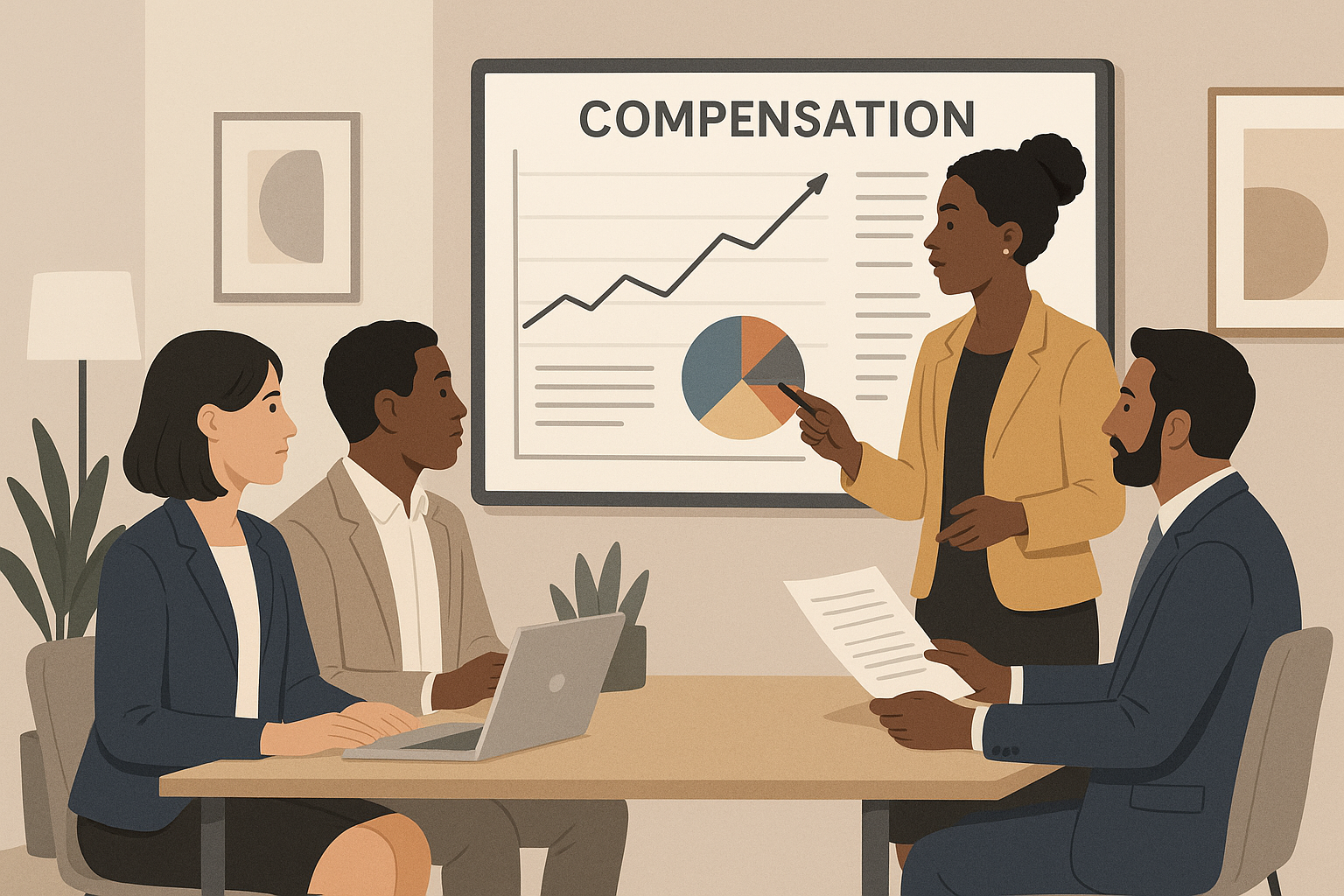
With the introduction of Senate Bill 1162, California is pushing the envelope further toward pay transparency. This landmark legislation marks a significant shift towards closing the pay gap by mandating open disclosures around pay scales. Employers should treat pay transparency as an ongoing compliance program, not a one-time project.
Understanding SB 1162
Senate Bill 1162, enacted on January 1, 2023, amends Section 432.3 of the California Labor Code and expands wage transparency obligations. The bill requires employers with more than 15 employees to disclose pay scales in job postings and obligates them to provide current employees with their respective pay scales upon request. This transformative approach is designed not only to reduce pay discrimination based on gender, race, and ethnicity but to set a new standard in corporate America regarding transparency and fairness.
Key Provisions of SB 1162
- Posting Requirements: Ensures salary ranges are included in all job postings for positions, whether published by the company or a third-party recruiter. This provision particularly impacts hiring practices, encouraging employers to be more deliberate in their salary decisions from the outset. Transparency at the recruitment stage helps candidates better assess their interest and suitability, reducing mismatched expectations and promoting fairness.
- Record Retention: Mandates the retention of records concerning job titles and wage rate history for each employee, maintaining these for the duration of employment plus three years post-termination. This requirement helps in establishing a comprehensive database that can be utilized in audits and legal disputes, potentially shielding companies from litigation.
- Reporting Obligations: Employers must submit a pay data report to the California Civil Rights Department (CRD) annually. This report, due by the second Wednesday of May each year, covers wage data organized by job category, race, ethnicity, and sex. The focus on yearly reporting underscores the importance of sustained compliance efforts, driving continuous evaluations and adjustments to compensation strategies.
Conducting a Pay Transparency Audit
To comply with SB 1162, a pay transparency audit involves multiple critical steps. Here’s how employers can approach these requirements systematically.
Step 1: Review Current Compensation Framework
Begin by ensuring your current compensation structures are aligned with industry standards. Evaluate salaries across various roles and ensure equitable pay across gender and racial lines. Inequities discovered during this review may require adjustments to ensure compliance and fairness.
For instance, consider using data from the Bureau of Labor Statistics or compensation surveys to benchmark your salaries. Engage with departments to understand the current disparities and collaborate on strategies to bridge gaps continuously. Regular pay audits could also proactively address inequities, fostering an environment of trust.
Step 2: Develop or Update Pay Scales
Clearly articulate pay scales for all positions. This documentation should be readily available to employees and managers to foster transparency. Furthermore, it should accommodate any market rate changes or organizational structure shifts.
Creating a dynamic pay scale system can help adapt to market changes and maintain competitiveness. Utilize software tools designed for HR to manage and automate these processes efficiently. Frequent updates and communication to stakeholders about changes in pay scales and the underlying reasons can build trust and openness.
Step 3: Record-Keeping System Setup
Implement a robust system for maintaining employee wage histories and related records. These records not only ensure compliance but also provide necessary data to defend against claims of discrimination or unfair pay practices.
Leveraging technology, such as cloud-based platforms, can simplify the documentation process and facilitate easy access to records when undergoing audits or internal reviews. Training HR personnel on data management systems ensures reliability in handling sensitive employee information.
Step 4: Analyze Job Descriptions and Responsibilities
Regularly updating and analyzing job descriptions can ensure they accurately reflect the work being done, which is crucial for pay scale setting. Misalignments between duties and compensation can lead to inequities.
Employers should periodically review job responsibilities to ensure they align with industry norms and adjust pay structures correspondingly. This practice not only aids transparency but also enhances employee satisfaction by ensuring fair evaluation of roles.
Best Practices for Ensuring Compliance
In addition to the outlined audit steps, adopting best practices can significantly ease the compliance journey.
Regular Training and Education
Regularly updating your management and HR teams through training can ensure everyone is on the same page regarding legal obligations and compliance best practices. Workshops and seminars with legal experts on employment law can be beneficial. Encourage managers to have transparent conversations about compensation during performance reviews and foster ongoing dialogue about career development paths.
Fostering a Culture of Transparency
Creating a workplace culture where transparency is valued can organically support compliance efforts. Encourage open dialogues about salaries and career advancement opportunities within the organization. This approach not only supports compliance with legislation but also helps in talent retention.
Implementation Challenges and Solutions
While complying with SB 1162, employers might face implementation challenges. Here are some common challenges and corresponding solutions.
Challenge 1: Resistance to Change
Organizations may find resistance either from leadership hesitant to disclose pay structures or from managers unsure of how to discuss pay scales with employees. Combat this by investing in training programs and delivering clear communication that outlines the benefits of transparency.
Employee transparency aids in reducing turnover rates as it increases trust and job satisfaction, ultimately benefiting the organization in the long run. Highlight case studies of successful implementation in similar organizations to mitigate fears and uncertainty.
Challenge 2: System Overhaul
Transitioning to a new record-keeping and reporting system can be daunting. Engage with professional services like Easeworks to streamline system integration and manage data efficiently to avoid audit pitfalls.
Utilize pilot programs to test new systems gradually before full-scale implementation, allowing for adjustments and feedback from staff members. Encourage inter-departmental communication to smooth the transition and gather diverse insights.
Challenge 3: Maintaining Competitive Edge
Some employers fear losing a competitive edge by disclosing pay scales. The solution lies in aligning compensation strategies to market standards, which ensures competitiveness while enhancing trust with potential and current employees.
Communicate with peers in your industry to gauge the market's reaction and adjust accordingly, thus preventing any noticeable dip in competitive advantage. Consider highlighting other value propositions of your organization, such as benefits, work-life balance, and career development opportunities, during talent attraction endeavors.
Conclusion
SB 1162's pay transparency requirements present both a challenge and an opportunity for California employers. By proactively conducting audits and restructuring compensation frameworks, businesses can not only comply with the law but also foster a fairer workplace.
Transparency breeds a more inclusive and supportive work environment which is essential in today’s diverse economy. Act now to safeguard your business against potential allegations and to maintain trust with employees.
Don't wait until it's too late—start your compliance journey with SB 1162 today. Contact Easeworks for professional guidance and support through the process.
California employers
Wondering what a PEO would actually cost?
HR, payroll, benefits, and compliance bundled — with a dedicated advisor. Most California employers pay less than managing it separately.
Was this article helpful?