
Navigating California's Family Leave Updates
CFRA applies to many small employers and now includes designated-person leave. Here is what to update in policies and notices.
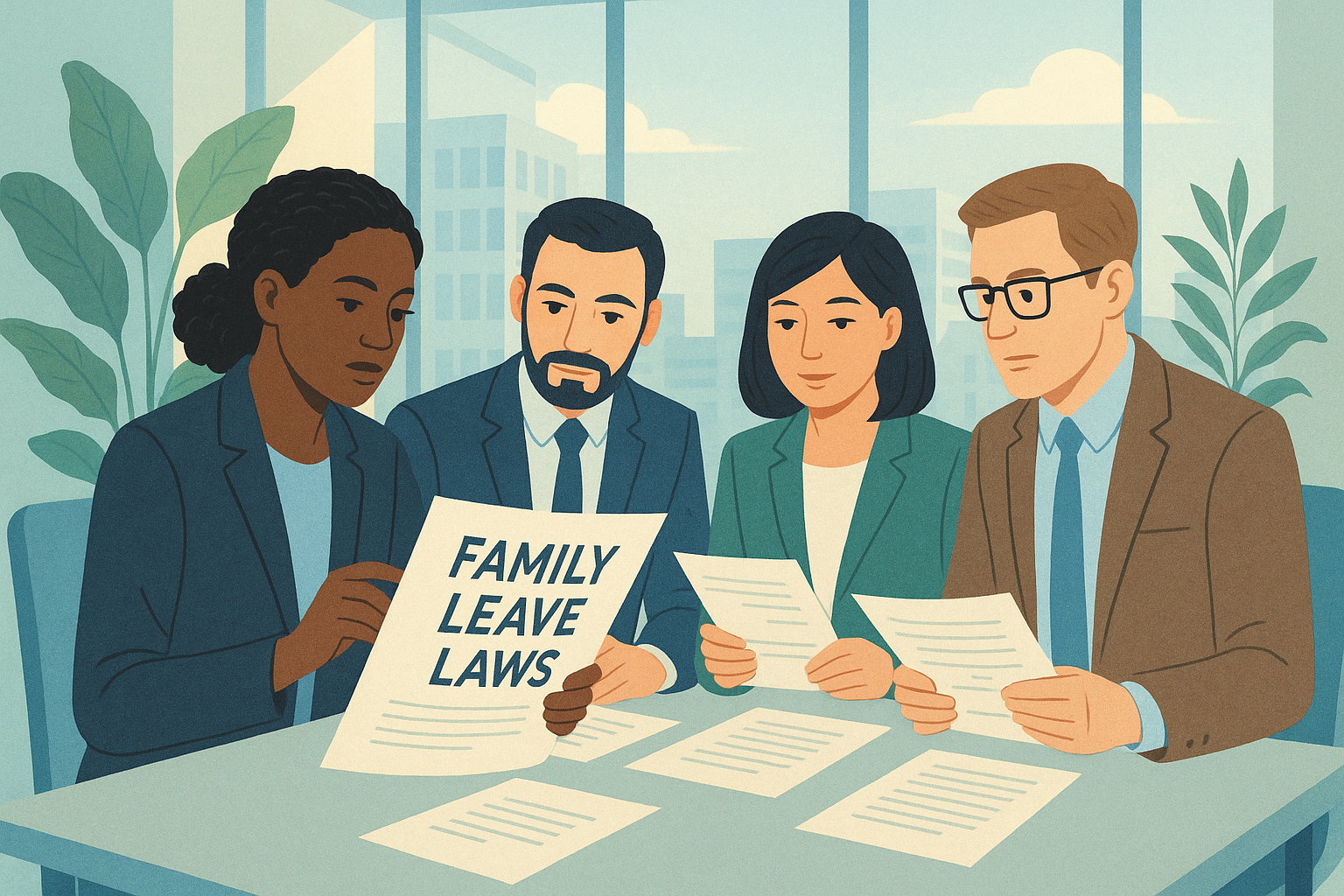
California family leave: CFRA and related updates employers still miss
California family leave rules are not a single 2026 overhaul, but a stack of statutes employers must track together. Key milestones include the California Family Rights Act (CFRA), paid family leave (PFL) under the State Disability Insurance program, and later CFRA expansions, ensuring more employees can benefit from time off for family and personal well-being. As an employer or HR manager operating in California, staying abreast of these legal updates is crucial to compliance and employee satisfaction.
Background: The California Family Rights Act (CFRA)
The California Family Rights Act (CFRA) allows eligible employees to take up to 12 weeks of unpaid leave to care for personal or family member health conditions. Originally mirrored after the federal Family and Medical Leave Act (FMLA), the CFRA has undergone several amendments to broaden its scope and inclusivity. This evolution reflects the state's commitment to recognizing various family dynamics and increasing access to family leave for a broader spectrum of workers.
One of the most significant differences between the CFRA and FMLA is the range of family members for whom employees can take leave. The CFRA includes more inclusive definitions, which serve to protect diverse family units based on varied cultural, familial, and social structures prevalent in California.
Major CFRA changes to remember
Expansion to Small Businesses
As of January 1, 2021, the CFRA now applies to employers with five or more employees, a significant reduction from the previous threshold of 50 employees. This means smaller businesses must comply with family leave regulations, providing greater access to these benefits and highlighting the importance of understanding the specifics of these laws (Cal. Gov't Code § 12945.2). This change aims to ensure that the benefits of family leave are available to nearly all workers throughout the state, irrespective of the size of their employer.
For small businesses, this expansion may seem daunting at first. However, it presents an opportunity to attract and retain talent by showing a commitment to work-life balance. Small businesses are encouraged to consult with PEOs or employment law specialists to smoothly integrate these requirements into their operations without hindering day-to-day activities.
Inclusion of Additional Family Members
Under the latest amendments, caregivers now include those caring for a "designated person," as defined by the employee, widening the traditional scope of qualifications. This change ensures that diverse family structures are better accommodated under California law. The term "designated person" allows employees to name someone who is akin to family on a personal or cultural level, a significant step toward inclusivity.
This is particularly beneficial in communities where non-traditional family units are commonplace. Employers must adjust their leave policies to accommodate this flexibility and ensure there is a process in place to document and track these types of leave. Incorporating these aspects into staff training and documentation will mitigate confusion and uphold streamlined processing.
Employee Eligibility and Notice Requirements
Previously, employees needed to have worked at least 1,250 hours in the past year to qualify; the updated CFRA still requires employees to have worked at least 1,250 hours in the past 12 months to be eligible. Employers now need to provide detailed written notices informing employees of their rights and responsibilities under CFRA, emphasizing the importance of proactive communication to avoid potential disputes.
Employers can maintain compliance by regularly updating the employee handbook and ensuring each staff member acknowledges the receipt and understanding of the leave policies. Keeping an open dialogue with employees about their leave options will further foster trust and engagement, thereby enhancing morale.
Impact on Employers
Ensuring Compliance
For businesses, these legislative updates necessitate a review and, likely, a restructuring of existing leave policies. Employers should update employee handbooks, conduct training sessions for management and HR personnel, and develop systems to effectively track and report leave. Implementing clear processes and maintaining documentation of all leave requests will mitigate the risk of non-compliance penalties.
To facilitate this, companies may opt to conduct workshops or seminars with managers and employees to clarify the new regulations and remove ambiguity about compliance obligations. Training should focus not just on legal adherence but also on fostering managerial skills that support employee needs during extended absence.
Potential Legal and Financial Repercussions
Non-compliance with the updated CFRA can result in legal disputes and financial penalties. Employers face potential litigation if they do not adhere to these laws, leading to further strained resources and reputational harm. The costs associated with lawsuits, legal fees, and damage control outweigh the initial investment in compliance infrastructure and training.
Employers should therefore focus on building robust HR frameworks and utilizing technology solutions that can help automate and streamline the administration of leave. Regular audits and reviews conducted by HR professionals or advisors can help identify potential compliance gaps before they develop into more serious issues.
Best Practices for Managing Family Leave
Fostering an Inclusive Workplace Culture
A supportive approach to family leave can enhance overall workplace satisfaction. Employers are encouraged to create a culture where taking family leave is supported, and employees do not fear repercussions for exercising their rights. Continuous engagement through communications, possibly in the form of newsletters or internal memos, can reinforce the importance placed on family leave within the company culture.
In fostering inclusivity, employers may consider promoting success stories within the company where family leave contributed to a positive work-life balance, thus encouraging others to leverage this benefit.
Implementing Robust Leave Management Systems
Consider investing in software solutions or HR services like Easeworks to streamline leave management processes. Such systems can help automate compliance checks, documentation, and reporting, ensuring seamless adherence to CFRA regulations. These technologies can handle everything from leave request submissions to tracking the leave balance and generating compliance reports.
With the help of these systems, employers can ensure timely decision-making processes regarding leave requests, thereby offering employees peace of mind and reducing administrative burdens.
The Role of HR in Navigating Family Leave
Training and Development
HR departments play a pivotal role in educating both management and employees on the nuances of family leave legislation. Regular training sessions can better equip everyone to understand their rights and responsibilities, ensuring seamless organizational compliance and communication.
Policy Review and Revision
HR must regularly review and revise leave policies to ensure alignment with the new legal landscape. This helps preemptively address potential areas of non-compliance and ensures consistency in leave approvals and denials.
Conclusion
Understanding and implementing the latest changes to California’s family leave laws is paramount for fostering a compliant and productive workplace. By taking proactive steps and potentially leveraging HR outsourcing solutions, businesses can better manage these mandates and support their teams effectively. For expert assistance with navigating these updates, contact Easeworks today to ensure your business remains compliant.
California employers
Wondering what a PEO would actually cost?
HR, payroll, benefits, and compliance bundled — with a dedicated advisor. Most California employers pay less than managing it separately.
Was this article helpful?