
How to Handle Anonymous Reporting in the Workplace: A 2026 Guide
Discover how anonymous reporting can safeguard your business and foster a transparent culture. Essential reading for SMBs in 2026.
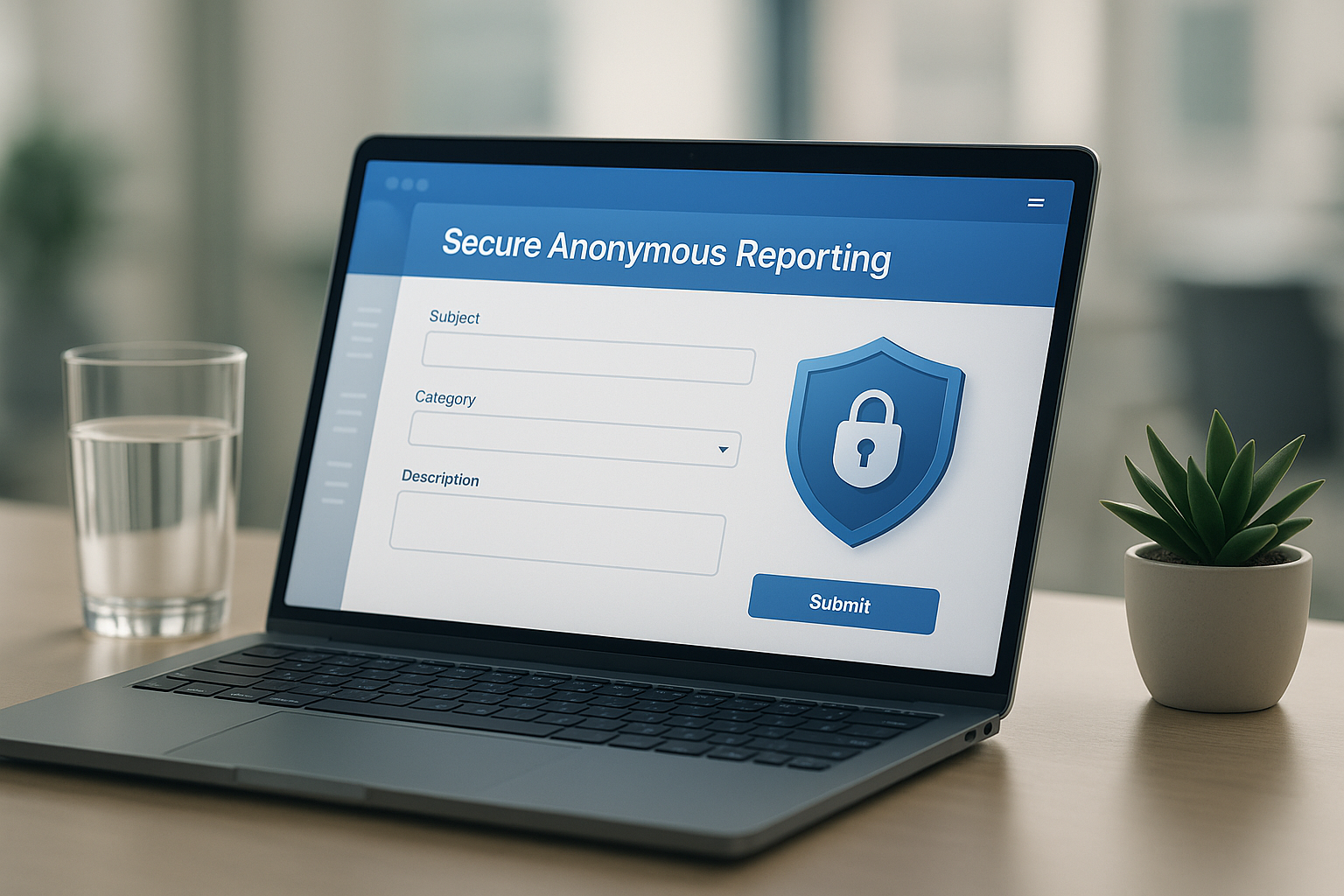
As an HR professional or manager, you know the stakes are high. Anonymous reporting systems are no longer a luxury but a necessity. For small and medium-sized businesses (SMBs), implementing a secure and effective anonymous reporting channel is crucial to safeguard against legal pitfalls and maintain a healthy workplace culture. In California alone, over 60% of businesses faced compliance-related lawsuits in 2025, highlighting the critical need for proactive measures.
Ready to assess your current compliance status? Start with a quick assessment at score.easeworks.com.
What is the primary benefit of a workplace anonymous reporting system?
An anonymous reporting system allows employees to disclose misconduct, safety concerns, or harassment without fear of retaliation. For SMBs, these systems act as an early warning mechanism, allowing leadership to resolve internal issues before they escalate into costly PAGA litigation or public reputational damage. A Deloitte study found that companies with effective reporting channels reduce potential legal costs by 30%, primarily by addressing issues early.
Why Anonymous Reporting is No Longer Optional
In 2026, transparency isn't just a "perk"—it's a legal safeguard. Many state mandates, particularly in California, now look favorably upon companies that provide clear, non-retaliatory channels for whistleblowing. Here’s why:
Risk Mitigation: Identifying wage-and-hour errors early can save hundreds of thousands in legal fees. The California Department of Industrial Relations reported an average settlement of $70,000 in wage disputes for non-compliant businesses.
Employee Trust: Staff who feel heard are three times more likely to stay, directly impacting your "Employer of Choice" status. Gallup research shows that high-trust organizations outperform their peers in profitability by up to 20%.
Compliance: Certain industries now require specialized reporting paths to maintain professional certifications, such as those in healthcare and finance, which are subject to stringent regulatory scrutiny.
The Impact of Anonymous Reporting on Company Culture
Studies show that companies with robust anonymous reporting systems have a 20% higher employee satisfaction rate. When employees know they can voice concerns without fear, it nurtures a more open and communicative culture. This cultural shift not only retains talent but attracts it. In a competitive job market, the ability to demonstrate a commitment to ethical practices can be a significant differentiator. According to a Glassdoor survey, 75% of employees consider a company’s culture before applying for a job, highlighting the importance of a transparent environment.
3 Steps to Implementing a Secure Reporting Path
1. Third-Party Tools
Avoid outdated methods like "suggestion boxes" in the breakroom. Instead, invest in a secure, digital portal where identities are encrypted. This protects both the whistleblower and the integrity of the report. Companies like Navex Global offer platforms that not only ensure anonymity but also provide analytics to track reporting trends, enhancing your ability to address systemic issues.
2. Clear Policy
Update your employee handbook to define exactly what constitutes a "reportable offense" and the timeline for investigation. Clarity here ensures that employees understand the process and trust in its effectiveness. Provide examples of reportable incidents, such as harassment, safety violations, and financial misconduct, to avoid ambiguity.
3. No-Retaliation Guarantee
Explicitly state that no employee will face adverse action for coming forward in good faith. This guarantee is essential to encourage participation in the reporting process. A study by the Ethics & Compliance Initiative found that 53% of employees who observed misconduct did not report it, primarily due to fear of retaliation.
How does your current system measure up? Find out with our assessment at score.easeworks.com.
The Legal Connection: PAGA and Anonymous Tips
For our San Diego and Los Angeles clients, anonymous reporting is your best defense against "representative actions" under the Private Attorneys General Act (PAGA). Most lawsuits start because an employee felt they had no internal way to fix a payroll or safety error. By providing that path, you take the "fuel" away from the litigation fire. In 2025, PAGA filings increased by 18% as employees sought external resolutions to internal problems.
Case Studies: Success Stories from California SMBs
Consider the example of a mid-sized tech company in Silicon Valley that implemented an anonymous reporting system in 2024. Within the first year, they received over 50 reports, leading to the resolution of several wage discrepancies and workplace safety enhancements. The company not only avoided potential lawsuits but also saw a 15% increase in employee satisfaction and retention. This change translated into a 5% boost in productivity, as documented in their annual performance metrics.
Similarly, a Los Angeles-based retail chain reported a sharp decline in employee turnover after introducing a robust reporting system. Their proactive approach to addressing employee concerns led to a 10% increase in sales, as happier employees were more engaged and productive. This case underscores the financial benefits of fostering a transparent and responsive workplace culture.
Expert Insights: Why You Can’t Afford to Wait
Industry experts agree: delaying the implementation of an anonymous reporting system is a risky gamble. Legal advisors warn that the cost of non-compliance far exceeds the investment in a secure reporting solution. A 2025 survey found that companies without such systems faced average litigation costs of $200,000, compared to $20,000 for those with effective reporting mechanisms in place. The return on investment is clear—implementing a system can save you up to 90% in potential legal fees.
Conclusion: Taking Action for 2026 and Beyond
Anonymous reporting is not just a compliance checkbox; it's a strategic tool to protect your business and foster a trustworthy work environment. By implementing a secure reporting system, updating your policies, and guaranteeing no retaliation, you not only mitigate risks but also build a culture of openness and accountability. The steps you take today can ensure your business thrives in an increasingly complex regulatory landscape.
Ensure your company is ready for the challenges of 2026. Begin your compliance journey today at score.easeworks.com.
California employers
Wondering what a PEO would actually cost?
HR, payroll, benefits, and compliance bundled — with a dedicated advisor. Most California employers pay less than managing it separately.
Was this article helpful?